
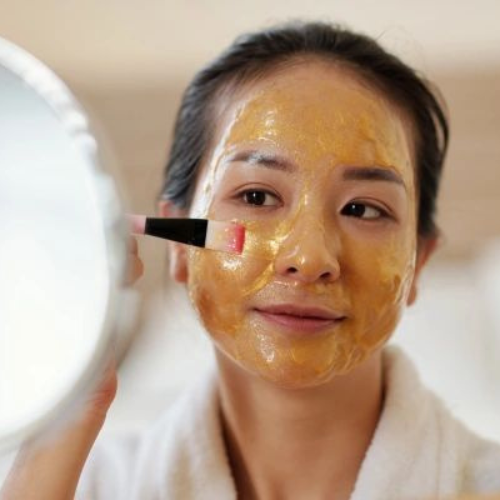
Honey has been smoothed onto skin since the time of ancient Egypt. But whole honeycomb, wax and all, is a different story. Can you really put it on your face and expect results? The science and history both say yes, and here is exactly why.
The beauty industry has spent decades bottling and patenting ingredients that bees have been producing for free for millions of years. Raw honeycomb is not a trend. It is one of the oldest skincare ingredients on the planet, now backed by modern dermatological research. If you have been reaching for expensive face masks and serums, it might be time to look inside the hive instead.
Raw honeycomb is a combination of two distinct materials: raw honey and beeswax. Both have independently documented skin benefits, and together they create something more powerful than either on its own. Understanding what each component does helps explain why honeycomb works so well as a topical ingredient.
Raw honey inside the comb has never been heated or filtered, which means its full enzyme content, antioxidant load, and natural hydrogen peroxide production remain intact. These are the same properties that make raw honey an effective wound healer in clinical settings. Applied to skin, they translate into deep moisture retention, gentle antibacterial action, and a measurable reduction in inflammation.
Beeswax, the waxy structure of the comb itself, is a natural emollient and occlusive agent. It creates a breathable barrier on the skin surface that locks in moisture without clogging pores. Unlike many synthetic occlusives used in commercial creams, beeswax is non-comedogenic and loaded with vitamin A, which supports skin cell turnover and repair.
Honey is a natural humectant, meaning it draws moisture from the air into the skin. Regular application leaves skin noticeably plumper and more supple.
The hydrogen peroxide produced by glucose oxidase in raw honey creates an environment where acne-causing bacteria struggle to survive on skin.
Natural enzymes in raw honey provide mild exfoliation that removes dull surface cells, revealing clearer and more even-toned skin over time.
Flavonoids and phenolic compounds in raw honeycomb calm redness, reduce puffiness, and soothe irritated or sensitive skin without harsh chemicals.
Beeswax forms a protective layer on the skin surface that seals in hydration and shields against environmental stressors like wind and cold.
Vitamin A naturally present in beeswax supports healthy skin cell turnover, helping to fade minor blemishes and improve overall skin texture.
For most people, yes. Raw honeycomb is a food-grade natural substance with centuries of topical use behind it. It contains no synthetic preservatives, no artificial fragrances, and no harsh chemicals that commonly trigger skin reactions. Its pH is mildly acidic, which actually aligns well with the natural pH of healthy skin.
That said, anyone with a known bee, pollen, or honey allergy should not apply honeycomb to their skin. The same proteins that can trigger an allergic response when eaten can cause contact dermatitis when applied topically. If you are unsure, always do a patch test on the inside of your wrist and wait 24 hours before applying it to your face.
Apply a small amount of raw honeycomb to the inside of your wrist. Leave it for 20 minutes, then rinse. Wait 24 hours and check for any redness, itching, or swelling before using it on your face. This is especially important if you have sensitive skin or any history of bee-related allergies.
| Skin Type | Suitable? | What It Does |
|---|---|---|
| Dry Skin | Excellent | Deeply hydrates, restores softness, strengthens moisture barrier |
| Oily / Acne-Prone | Great | Kills bacteria, reduces breakouts, balances without stripping oils |
| Sensitive Skin | Patch Test | Calms inflammation but test first for any pollen sensitivity |
| Combination Skin | Good | Hydrates dry zones while controlling oil in the T-zone |
| Mature Skin | Excellent | Antioxidants fight free radicals, beeswax plumps and firms |
| Allergy-Prone Skin | Avoid | Risk of contact dermatitis if bee or pollen allergy is present |
Your skin is already slightly acidic. Raw honey matches that pH almost perfectly, making it one of the few natural ingredients that works with your skin rather than against it.
Tru-CocoB Skin NotesYou do not need a complicated routine. Raw honeycomb is effective even in its simplest application. The key is consistency and using the right amount. A piece roughly the size of your thumbnail is enough for the entire face.
Take a small chunk of raw honeycomb and warm it between clean fingers for about 30 seconds until the honey begins to soften and release from the wax.
Apply the softened honey directly onto clean, dry skin using gentle circular motions. Avoid the eye area. The wax can stay on as part of the application.
Leave the mask on for 15 to 20 minutes. You will feel a slight tightening as the honey draws moisture into the skin and begins its enzymatic action.
Rinse off with lukewarm water using gentle circular motions. The wax will emulsify slightly with water and rinse away cleanly without leaving residue.
Follow with your usual moisturizer if needed, though many people find their skin feels hydrated enough on its own after the mask.
For active breakouts or dry patches, press a tiny piece of raw honeycomb directly onto the affected area and leave it on for 30 minutes or overnight covered with a breathable bandage. The antibacterial and anti-inflammatory properties work best with extended contact time on targeted spots.
The beeswax in honeycomb makes it a natural lip balm. Press a small piece onto dry or cracked lips and let it sit for 10 minutes. The combination of honey and wax deeply conditions and repairs the delicate lip skin far more effectively than most commercial balms.
Honeycomb is not a miracle cure and it will not replace prescription treatments for conditions like severe acne, eczema, or rosacea. What it will do, used consistently, is meaningfully improve the overall health, hydration, and appearance of your skin without the chemical load of most commercial skincare products.
Not all honeycomb is equal for skincare purposes. The same qualities that matter for eating matter even more when applying it to your face. You want honeycomb that is raw, unheated, and sourced from bees that have not been treated with antibiotics or pesticides. Processed or heat-treated honeycomb loses the enzymes that make it effective on skin.
Tru-CocoB honeycomb is harvested and handled with exactly this in mind: raw, unfiltered, and free from any additives. When you use it on your face, you are getting the full profile of compounds that make honeycomb genuinely effective as a skincare ingredient.
Yes, you can absolutely use honeycomb on your face, and if your skin is dry, dull, breakout-prone, or just in need of some natural care, you probably should. Raw honeycomb brings together the hydrating power of raw honey and the protective barrier of beeswax in one whole, unprocessed ingredient. It is gentle enough for most skin types, backed by real science, and far more effective than many expensive products it could replace in your routine. Start with a simple mask twice a week and let the hive do the work.