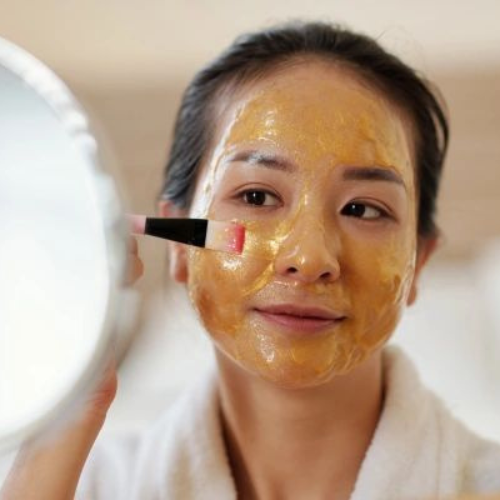
You do not need a 12-step skincare routine or a shelf full of expensive serums to get glowing skin. You need one jar of raw honey and five minutes. These five DIY honey face masks are made from ingredients already in your kitchen, and they work better than most products you will find at the chemist.
Raw honey has been used as a natural skincare ingredient for thousands of years, and modern dermatology backs up what ancient civilisations already knew. It is a natural humectant that draws moisture into the skin, an antibacterial agent that fights acne-causing bacteria, an antioxidant that protects against environmental damage, and a gentle enzyme exfoliant that lifts dull skin cells. Whether you have dry skin, oily skin, sensitive skin, or ageing skin, there is a raw honey face mask here designed specifically for you.
Before diving into the recipes, it helps to understand why raw honey works so effectively on skin. This is not folk wisdom. The science behind honey as a skincare ingredient is well established, and what it does is genuinely impressive for something sitting in your kitchen cupboard.
Draws moisture from the air into the skin, making it a powerful hydrating agent for dry and dehydrated skin types.
Natural hydrogen peroxide and defensin-1 proteins in raw honey kill acne-causing bacteria without stripping the skin’s protective oils.
Gluconic acid in raw honey gently dissolves dead skin cells, improving skin texture and brightening dull complexions over time.
Flavonoids and phenolic acids protect skin from free radical damage that causes premature ageing, wrinkles, and uneven tone.
Reduces redness, swelling, and irritation, making it effective for calming acne breakouts, rosacea flare-ups, and sensitive skin reactions.
Raw honey has a naturally acidic pH between 3 and 4.5, which aligns with healthy skin pH and helps restore the skin’s acid mantle after cleansing.
One important note: always use raw, unprocessed honey for face masks. Processed honey has been heated and filtered, which destroys the enzymes and significantly reduces the antioxidants that make it effective on skin. Tru-CocoB raw honey is cold-pressed and unfiltered, retaining its full complement of skin-beneficial compounds.
Raw honey is one of the few natural ingredients whose skincare benefits are backed by decades of peer-reviewed research. It hydrates, heals, brightens, and protects simultaneously. No synthetic ingredient does all four.
Tru-CocoB Skin NotesThis is the most powerful brightening mask in the list. Turmeric is one of the most studied natural skin-brightening ingredients in the world. Its active compound curcumin inhibits the enzyme responsible for melanin overproduction, which means it fades dark spots, post-acne marks, and hyperpigmentation with consistent use. Paired with the humectant and antioxidant properties of raw honey, this mask delivers a visible glow after a single use and meaningful brightening results within two to three weeks of twice-weekly application.
Mix all ingredients in a small bowl until you have a smooth, even paste. The yogurt thins the turmeric and makes it easier to spread without clumping.
Apply a thin, even layer to clean, dry skin using clean fingertips or a foundation brush. Avoid the eye area. Turmeric will stain light fabrics so use an old towel.
Leave on for 10 to 15 minutes. You will notice a gentle warming sensation from the turmeric, which is normal and indicates the curcumin is active on the skin.
Rinse thoroughly with lukewarm water. Use a gentle cleanser if any yellow tint remains. Pat dry and follow with your usual moisturiser.
Dry skin needs two things: deep hydration that actually stays in the skin and gentle removal of the flaky dead cells that make skin look dull and rough. This mask delivers both. Oatmeal is a clinically proven skin soother that forms a protective barrier on the skin surface while its beta-glucan content holds moisture in place. Raw honey adds humectant hydration on top of this, making the combination one of the most effective DIY remedies for dry, tight, and irritated skin.
Combine the oatmeal powder and water first and stir until it forms a paste. Then add the raw honey and mix well. The final consistency should be thick enough to stay on the face without dripping.
Apply generously to clean skin, focusing on especially dry patches around the nose, cheeks, and forehead. Use upward strokes to encourage circulation.
Leave on for 15 minutes. While the mask dries slightly, the oatmeal will gently exfoliate and the honey will drive hydration into the skin barrier.
Rinse with cool water using circular motions to take advantage of the oatmeal’s gentle exfoliation as you wash. Pat dry and apply moisturiser immediately while skin is still slightly damp.
This is one of the most well-known and well-supported DIY skincare combinations for acne. Cinnamon has strong antimicrobial properties due to its cinnamaldehyde content, which disrupts the cell membranes of acne-causing bacteria including Propionibacterium acnes. Combined with the natural hydrogen peroxide activity in raw honey, this mask creates an inhospitable environment for breakout-causing bacteria while reducing the inflammation that makes existing spots look angrier and feel worse. Use it as a whole-face mask or apply targeted to active spots as an overnight treatment.
Mix the honey and cinnamon together thoroughly. The mixture will be sticky and amber-coloured. Do a patch test on your inner wrist first as cinnamon can cause sensitivity in some skin types.
Apply a thin layer to clean skin, concentrating on areas prone to breakouts such as the chin, nose, and forehead. For a spot treatment, apply directly to individual blemishes.
Leave on for 10 minutes maximum for whole-face application. You will feel a mild tingling from the cinnamon. If you experience burning rather than tingling, rinse immediately.
Rinse with lukewarm water and follow with an oil-free moisturiser. For spot treatment, you can leave a small amount on an individual blemish overnight under a breathable plaster.
Avocado is one of the richest natural sources of oleic acid, a fatty acid that penetrates deep into the skin to nourish and plump from within. It also contains vitamins E and C, which work synergistically to protect collagen and brighten skin tone. When combined with the antioxidant and enzyme content of raw honey, this mask targets the two main causes of visible ageing: moisture loss and oxidative damage. It is rich, nourishing, and leaves skin noticeably softer and more supple immediately after use, with cumulative firming benefits over several weeks of regular application.
Mash the avocado until completely smooth with no lumps. Lumps make application uneven. Then stir in the honey and vitamin E oil until fully combined into a creamy, uniform mask.
Apply a generous layer to clean skin including the neck and decolletage, which are often neglected but show ageing equally. Smooth upward and outward from the centre of the face.
Leave on for 15 to 20 minutes. This is a rich, nourishing mask so it benefits from longer contact time. Lie back and relax while it works. The vitamins and fatty acids need time to penetrate.
Rinse thoroughly with warm water. Your skin should feel noticeably softer, plumper, and more dewy immediately. No moisturiser is needed after this mask as the avocado oils provide lasting hydration.
Sensitive skin needs ingredients that calm without irritating, hydrate without clogging, and heal without adding further stress to an already reactive skin barrier. Aloe vera gel contains over 75 active compounds including polysaccharides that form a soothing, cooling film on the skin surface, acemannan which promotes skin healing, and a high water content that hydrates without heaviness. Combined with the anti-inflammatory and antimicrobial properties of raw honey, this is the most gentle yet effective mask in this collection, and the one most suitable for daily use if your skin tolerates it well.
Combine the aloe vera gel and raw honey and stir gently until evenly blended. The mixture will be thinner than the other masks in this list, which is intentional for sensitive skin.
Apply to clean skin with clean fingertips using very light, gentle strokes. Do not rub or apply with pressure as sensitive skin reacts to friction. The mask should feel immediately cooling and soothing.
Leave on for 10 to 15 minutes. For very reactive skin, start with 10 minutes and increase gradually as your skin adjusts over several sessions.
Rinse with cool water using a soft cotton cloth rather than your hands to minimise contact irritation. Pat dry immediately with a soft towel and apply your usual calming moisturiser.
Yes, and it is actually preferable. Raw honeycomb contains the same honey in its most unprocessed form along with trace amounts of beeswax and propolis which have additional antimicrobial and anti-inflammatory benefits. Simply warm a small chunk of Tru-CocoB honeycomb between clean fingers until it softens and use it directly on the skin or melt it gently into the other mask ingredients.
Most people notice immediate results after a single mask: skin feels softer, looks more hydrated, and has a healthy glow. For deeper benefits such as reduced acne, faded dark spots, or improved texture, consistent use two to three times per week for three to four weeks produces visible, measurable improvement in most skin types.
Yes. Raw honey is one of the few natural ingredients that hydrates oily skin without making it more oily. Its slightly acidic pH helps balance sebum production, and its antibacterial properties address the bacteria that cause breakouts in oily skin types. The honey and cinnamon mask in this guide is specifically formulated for oily and acne-prone skin.
It is not recommended to leave a full honey face mask on overnight. Honey left on the face for extended periods can attract dust and environmental particles, which may worsen breakouts in congested skin. The exception is using a small amount of raw honey directly on an individual spot as a targeted overnight treatment, which is safe and effective.
Raw, unprocessed honey is always the best choice for face masks. This means honey that has not been heated, filtered, or pasteurised. Processed honey loses most of the enzymes, antioxidants, and antibacterial compounds that make it effective on skin. Tru-CocoB raw honey and raw honeycomb retain their full natural profile and are ideal for all of the masks in this guide.
For most skin types, two to three times per week is the ideal frequency. This gives your skin enough regular contact with honey’s beneficial compounds to see cumulative improvement while allowing time between sessions for the skin to breathe and recover its natural balance. For very sensitive skin, once or twice a week is a better starting point.
Five minutes. Five ingredients. Five masks that work for every skin type and concern. Raw honey from Tru-CocoB is not just something you drizzle on toast. It is one of the most scientifically supported natural skincare ingredients available, and these recipes let you put it to work on your skin immediately. Pick the mask that matches your skin’s biggest concern today, patch test it, and give it three weeks of twice-weekly use. The glow you are looking for does not need a 30-step routine. It just needs the right ingredients, done consistently.